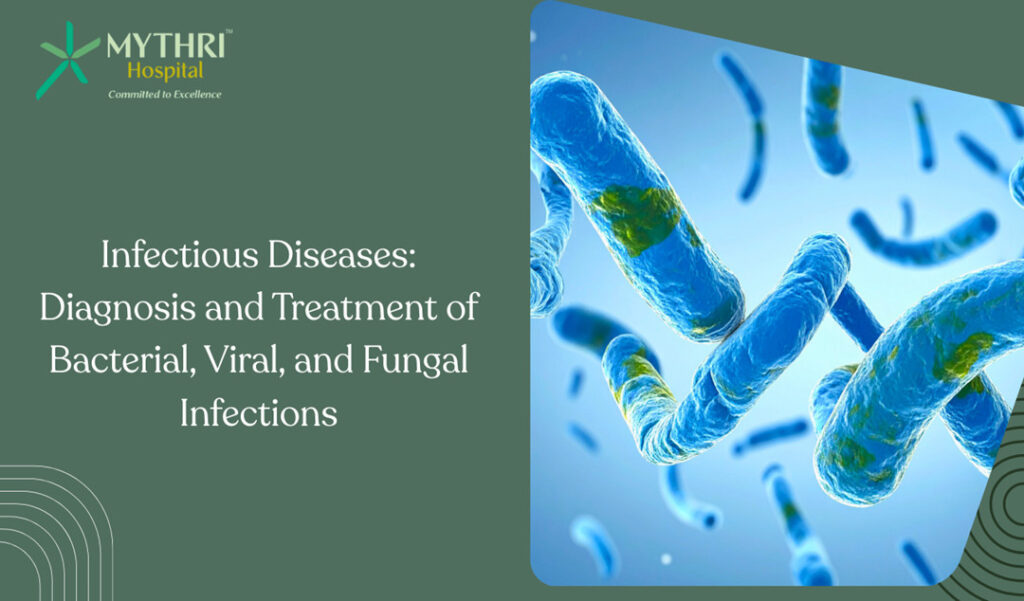
Infections are caused by certain harmful microorganisms such as bacteria, viruses, fungi, or parasites. Infectious Diseases may be passed from one person to another, via contaminated food, water, insects, or even contact with infected surfaces. Infections can vary from mild infections such as the common cold to more serious infections such as pneumonia, tuberculosis, and bloodstream infections. Early treatment of infections is highly essential to control the infection and prevent it from spreading.
Understanding Infectious Diseases
Our body has a robust defense mechanism, which safeguards us from various germs. In some cases, microorganisms succeed in penetrating our body and replicating, resulting in infections. Conditions such as a weak immunity level in a body, lack of hygiene, persistent illnesses, malnutrition, or contact with an infected environment might raise the possibility of infections occurring.
Infectious diseases can be generally categorized based on the causative agent, which includes bacterial infections, viral infections, and fungal infections.
Bacterial Infections
Bacteria are single-celled organisms that can survive inside or outside of the body. Although some types of bacteria are useful, bad bacteria can cause infections.
The common bacterial infections are:
- Respiratory Diseases
- Urinary tract infections (UTIs)
- Skin Infections
- Food poisoning
Symptoms may vary based on the location of infection; symptoms can include fever, pain, swelling, redness, cough, diarrhea, and burning with urination.
Bacterial infection diagnosis may need:
- Blood Tests
- Urine tests,
- Stool tests
- Culture tests for identifying particular bacteria
Treatment always consists of the use of antibiotics. The dosage, type, and length of these depend on the bacteria that are causing the infection. It is very essential to follow the entire antibiotic prescription, even when the symptoms are relieved.
Viral Infections
Viruses are smaller than bacteria. They cannot survive on their own. They infect healthy cells. Then, they reproduce with the help of healthy cells. An antibiotic cannot kill viruses.
The common viral infections are:
- Influenza
- COVID-
- Dengue Fever
- Chickenpox
- Hepatitis
- HIV
The symptoms may include fever, body aches, cough, sore throat, runny nose, weakness, rashes, or diarrhea.
The diagnosis of viral infections can involve:
- Blood Tests
- Swab tests (nasal, or throat swabs)
- Antigen or antibody tests
- The PCR Tests For Specific Viruses
The treatment is basically aimed at symptom management. In this respect, the patient may need bed rest, fluid, anti-pyretic medications, and analgesic medications. In some cases involving viruses such as HIV, hepatitis, or serious cases of the flu, antiretroviral medications are used that prevent the progress of the infection. Immunization is the most reliable means to prevent many types of viral infections.
Fungal Infections
Fungal infections are brought about by fungi, which can either affect the skin, nails, mouth, lungs, or internal organs. This infection mostly occurs in individuals who have weak immunity, people who are diabetic, as well as individuals who use antibiotics or steroids for a prolonged period.
Certain common fungal infections are:
- Ringworm
- Athlete’s foot
- Yeast Infections
- Oral thrush
- Fungal infections of the lung
Depending on the location, the symptoms may range from itching, redness, peeling of the skin, appearance of white patches in the mouth, cough, to difficulty in breathing.
Diagnosis of fungal infections can be carried out by the following:
- Skin Scrapings
- Nail samples
- Blood tests
- Imaging tests for deeper infections
Treatment options include antifungals, which come in different types such as topical creams/ointments, oral medications, or the use of intravenous treatment in a hospital setup when the infection is serious.
Importance of Early Diagnosis
Early diagnosis of infections can assist in commencing the proper treatment on time. This minimizes the severity of infections, helps in avoiding complicated infections, and controls the spreading of infections to others. Late treatment may rise to serious infections, which include organ damage, infection, or even life-threatening situations.
Preventing Infectious Diseases
Prevention is an important tool in handling contagious illnesses. Simple practices go a long way in preventing infections:
- Hand washing with soap and water regularly
- Access to clean drinking water
- Eating properly cooked food
- Maintaining Personal Hygiene
- Mask use in outbreaks
- Not touching people with the infection
Getting recommended vaccinations
Vaccines are a way to protect against serious infections, such as:
- Rabies
- Meningitis
- Influenza
- Tuberculosis
- Whooping cough
- Measles
Effective Infection Management
For the control of infectious diseases, one needs to follow proper medical advice. It is not advisable to self-medicate, especially when it comes to antibiotics. The use of the inappropriate drug or amount can cause the disease to progress, hence contributing to the development of resistance.
Conclusion Bacterial, viral, or fungal infections are quite common, but with proper treatment, most infections can be cured. It is necessary to have knowledge about the type of infection, which helps doctors prescribe the proper treatment for patients. Most infections can be controlled with proper healthcare, hygiene, and preventive steps such as immunization. Getting the proper healthcare on time is the most effective way to remain protected from infections.