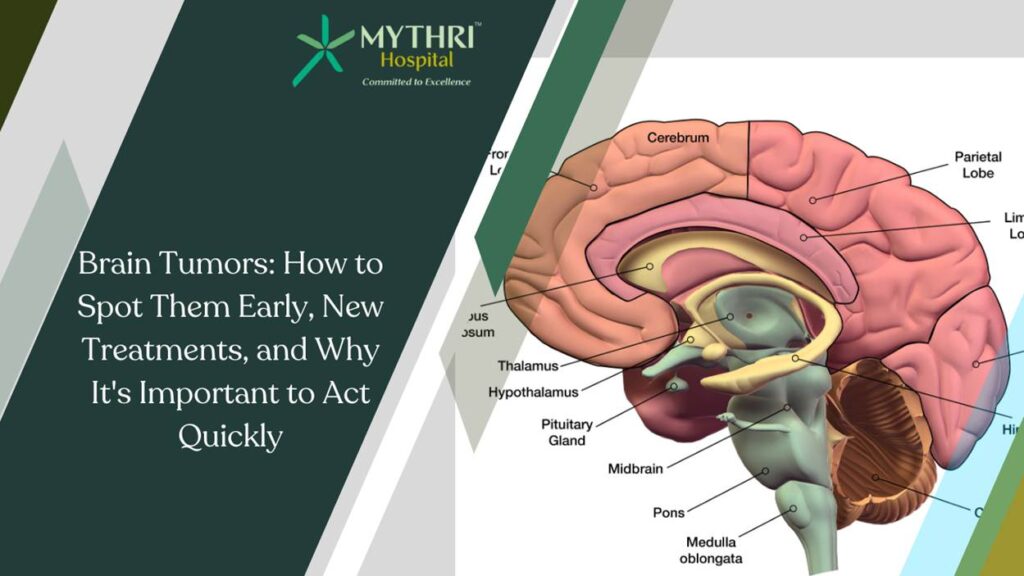
Hydrocephalus is a condition where too much cerebrospinal fluid (CSF) builds up inside the brain. CSF is the clear, watery fluid that cushions the brain, removes waste, and keeps it healthy. Normally this fluid flows through small pathways in the brain and then gets absorbed into the bloodstream.
But in hydrocephalus, this flow gets blocked or the body produces too much fluid or the body can’t absorb it properly.
This leads to the accumulation of fluid inside the brain, increasing pressure.
- It exerts pressure on brain tissues when it is not treated in time.
- It is affecting neonates, older children, adults, and even the elderly.
What are the symptoms of hydrocephalus?
Symptoms vary by age but may include:
In Infants:
- Accelerated head growth
- A bulging soft spot on the head
- Irritability
- Vomiting
In Children & Adults:
- Headache
- Visibility problems
- Nausea
- Imbalance/walking difficulty
- Memory problems
- Urinary incontinence
Hydrocephalus is treatable, and two major surgical treatments have been commonly used:
✔ Ventriculoperitoneal [VP] Shunting
✔ Endoscopic Third Ventriculostomy (ETV)
Let’s understand both in simple words.
1. Ventriculoperitoneal Shunting (VP Shunt)
- Traditional and most conventional mode of treatment.
- A VP shunt is a small tube system placed inside the brain to drain extra fluid.
How does it work?
A neurosurgeon inserts
- One end of the tube (catheter) into a ventricle (fluid-filled space in the brain)
- The tube travels beneath the skin.
- The other end is inserted into the tummy, within the peritoneal cavity.
- Wherein, this excess fluid gets absorbed naturally by the body.
- Think of it like so: the drainage pipe.
It is diverted it to a safe place where it can drain when water builds up somewhere.
The VP shunt does the same for brain fluid.
When is a VP shunt used?
- Obstruction to the flow of CSF
- When Absorption is Poor
- When the management of fluid becomes necessary on a long-term basis.
- In infants and young children, where other options may not work well
Benefits of VP Shunting
Works for most varieties of hydrocephalus
Effective for long-term CSF control
Can be inserted quickly in emergency situations
Possible Issues
Like any medical device, shunts can sometimes get blocked, infected, or need adjustment.
Regular follow-up is very much important.
2. Endoscopic Third Ventriculostomy
A more modern, less-invasive alternative
ETV is a surgery where doctors create a small opening inside the brain to let fluid flow naturally again.
How does it work?
- A small camera-endoscope is inserted within the brain
- Thereafter, the surgeon makes a tiny hole in the bottom of the third ventricle.
- This pathway allows CSF to bypass the obstruction.
- Fluid presses into the brain’s natural absorption spots
- Think of it as though you’re making a shortcut.
- If one road gets blocked, you just make another way so traffic should never be slow.
When is ETV used?
Indications of ETV include:
- Obstructive Hydrocephalus (non-communicating)
- Patients old enough to have mature CSF absorption (usually children > 2 years and adults)
- The cases in which shunt dependence can be avoided
Benefits of ETV
No implanted device unlike shunts
Lower long-term complications
Smoother flow of CSF
No chance of shunt malfunction
Limitations
ETV may not work well in:
- Very young infants
- Hydrocephalus that results from deficient absorption
- Some structural complex brain disorders
Success with ETV depends on the etiology of hydrocephalus and also on the age of the patient.
How do doctors decide between VP shunt and ETV?
Physicians check for:
- The type of hydrocephalus
- The age of the patient
- Whether the pathways of CSF are obstructed.
- Overall brain morphology
- Previous surgeries
Probability of long-term success
Generally speaking:
VP Shunt → Works for all types, especially in infants and diffuse hydrocephalus
ETV → Most effective in presence of obstruction or patient age greater than 2 years
Where ETV fails, sometimes a shunt may still be required.
Life After Surgery
In fact, most patients significantly improve following VP shunt or ETV.
Improvements may include:
- Better head growth in infants
- Reduced pressure symptoms
- Improved walking, memory, and balance
- Less headache and vomiting
Important follow-up care:
Regular checkups
Watching for symptoms such as headache, fever, vomiting, or irritability Reporting any sudden changes immediately
Conclusion
Hydrocephalus may sound scary, but it is very treatable with modern neurosurgical techniques. Ventriculoperitoneal Shunting (VP Shunt) helps drain extra fluid using a small tube system, like a controlled drainage pipe.
Endoscopic Third Ventriculostomy (ETV) creates a natural shortcut for fluid to flow, without needing an implanted device. Both treatments aim to reduce pressure on the brain, protect brain function, and improve the patient’s quality of life. With timely diagnosis, the right procedure, and proper follow-up care, people with hydrocephalus can go on to live healthy, active, and meaningful lives.