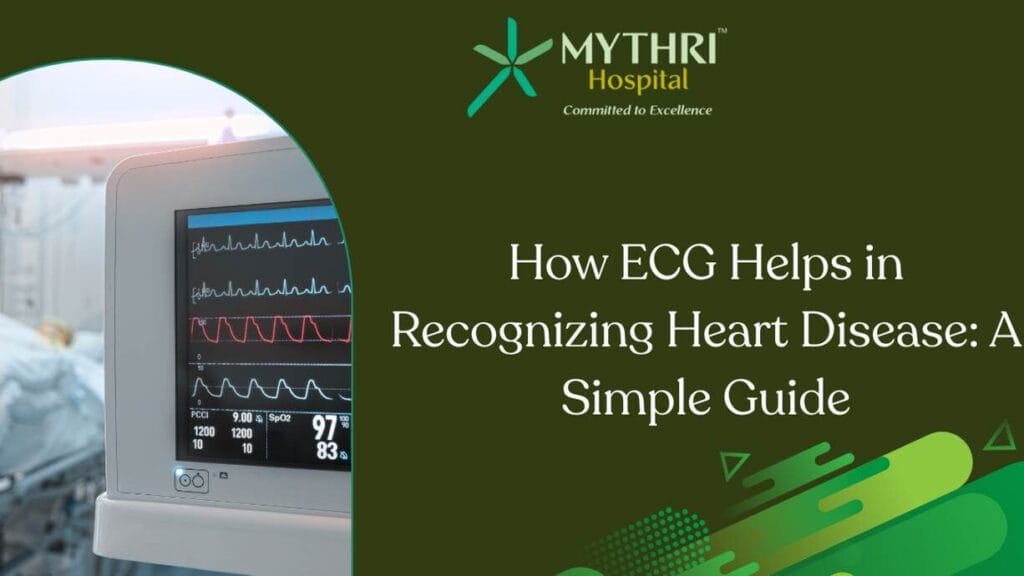
Generally speaking, heart problems do seem to be on the rise all over the world, and the need for early detection has become one of the necessities. An ECG or Electrocardiogram is generally performed among most of the common and reliable tests that help in the detection of problems associated with the heart. This is generally quick, painless, and offers the best information about how your heart is working. Because of its accuracy and simplicity, ECG has become one of the trending topics in healthcare these days.
Normalization of the mean shifts a uniform distribution to a normal distribution, in which a description in terms of the population mean and standard deviation is possible.
ECG – What is it?
An ECG is a test that records the **electrical activity of your heart**. With every heartbeat, a tiny electrical signal is produced, and an ECG machine picks up these signals to show the following:
That includes: Your rate of heartbeat
- How often it is beating
- If the heart is injured in any manner
- If the heart is not getting enough oxygen
Small stickers – called **electrodes** – are placed on your chest, arms, and legs to carry out the test. This takes only a few minutes.
How ECG helps recognize heart disease?
The ECG provides the doctor with valuable information that can be used to detect many types of heart problems.
1. Detects Irregular Heartbeats Arrhythmias
When the heart beats too fast, too slow, or irregularly, this is known as an **arrhythmia**, which would easily be picked up by an ECG.
Common arrhythmias include:
- AF stands for: Atrial fibrillation
- Tachycardia
- Bradycardia
Symptoms of these conditions may cause dizziness or fainting, and if untreated, even serious complications.
Allows identification of heart attack and heart damage
The main diagnostic tests for an acute myocardial infarction include ECG.
It illustrates:
- If you are having a heart attack now
- If you already have had a heart attack
- If parts of your heart muscle are damaged
ECG changes prompt the physician to start the treatment at once thereby saving a life.
3. This means less blood flow to the heart, or said another way, ischemia.
That is sometimes what happens with the arteries carrying oxygen-rich blood to the heart.
An ECG can reveal signs of:
- Impaired blood supply
- Stress on the heart
- Early signs of coronary artery disease
- Early detection of ischemia will avoid major heart problems later in life.
4. It detects thickening of the heart muscle.
Possible causes of thickening of the heart muscle include high blood pressure and conditions affecting the valve of the heart.
An ECG can detect:
- Abnormal size of heart
- Excess strain on the heart
- Congenitally malformed hearts
This helps doctors to plan further tests and treatments.
At least four other good reasons for doing so are found by clicking on the link above.
5. Monitors heart after surgery or treatment
If you have received:
- Heart surgery
- Angioplasty
- Sending a stent
- Pacemaker insertion
An ECG is done routinely to follow your recovery and to ensure your heart is healing well.
- It helps evaluate whether electrolyte imbalance exists.
- Abnormal levels of potassium, calcium, and magnesium damage the heart.
- An ECG can show: Abnormal heart rhythms Changes caused due to electrolyte imbalance. This leads to quicker diagnosis as well as safer treatment.
When Should You Get an ECG?
You should consider an ECG in case you experience:
- Chest pain
- Shortness of breath
The common symptoms of mitral stenosis are as follows:
- Palpitations
- Dizziness
- High blood pressure
- Family history of heart disease
Even without symptoms, persons above 40 are usually advised to have regular heart checkups. It was a mobilization of millions for a cause, the likes of which no one had ever seen before.
Conclusion
An ECG is a very useful diagnostic tool for the treatment of heart disease today. It helps in recognizing the disease early and guides treatment to prevent complications.
With the rise in these problems, timely ECG testing can play a major role in protecting your health.