One of the most important medical discoveries in history is antibiotics. They have saved millions of lives by treating bacterial infections that were once thought to be deadly. But antibiotic resistance is a serious and quickly growing problem that the world is facing right now. This global health threat is making it harder to treat common infections, which is making people sicker, raising healthcare costs, and raising the risk of death.
To protect public health now and in the future, it is important to know what antibiotic resistance is, what causes it, and how to stop it.
What does it mean to be antibiotic resistant?
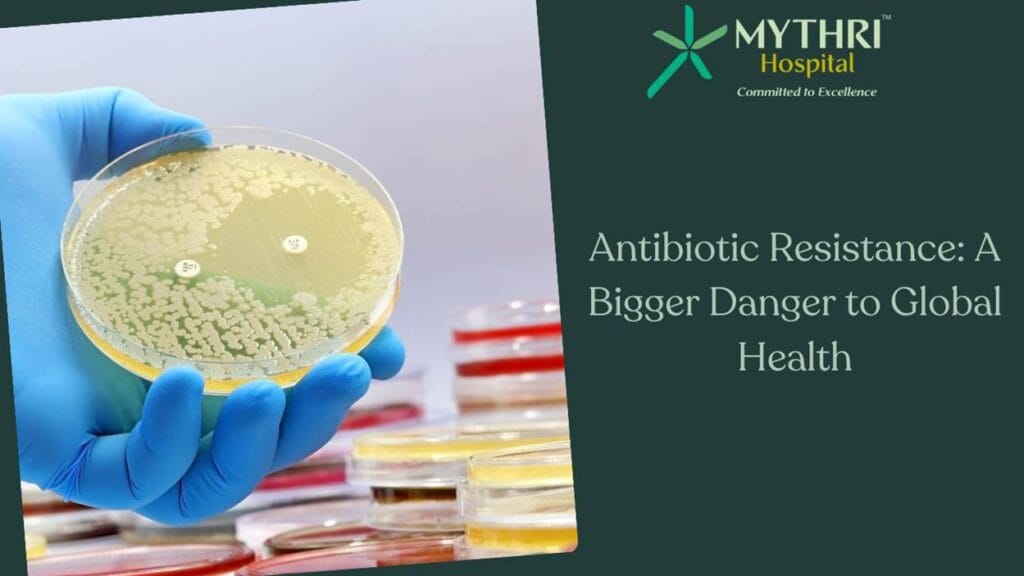
Antibiotic resistance happens when bacteria change because of antibiotics and become strong enough to live through them. These bacteria don’t die or stop growing; instead, they keep growing and spreading, making regular treatments useless.
When infections become resistant to antibiotics that are commonly used, doctors have to use stronger, more expensive drugs that may have more side effects or, in some cases, no effective treatment options at all.
Why are antibiotics becoming less effective around the world?
Antibiotic resistance is not confined to a single nation or demographic. Travel, food, water, and contact with people can all spread resistant bacteria across communities, hospitals, and even across national borders.
Antibiotic-resistant infections are to blame for longer hospital stays, longer recovery times, higher medical costs, and higher death rates today. When antibiotics stop working, common medical procedures like surgeries, giving birth, chemotherapy, and organ transplants also become more dangerous.
If antibiotic resistance isn’t stopped, it could send modern medicine back to a time when even small infections could kill people.
What Makes Antibiotic Resistance Happen?
The main reason why antibiotics don’t work anymore is that people use them too much and incorrectly. Some common causes are:
- Taking antibiotics without a doctor’s order
- Taking antibiotics for viral infections like the flu or colds
- Not taking all of the antibiotics that were given to you
- Too many antibiotics are used in hospitals
- Too much use of antibiotics in farming and raising animals
- Bad hygiene and infection control
When antibiotics are not used correctly, bacteria are exposed to the drugs but are not completely killed. The bacteria that survive change, grow, and pass on their resistance to the next generation.
Antibiotic Resistance Affects Common Infections
More and more infections are showing signs of antibiotic resistance, such as:
- Infections of the urinary tract (UTIs)
- Pneumonia
- Tuberculosis
- Typhoid fever
- Infections of the skin and wounds
- Infections in the blood
Bacteria that are resistant to more than one antibiotic are called “superbugs.” These infections are especially harmful to kids, old people, and people with weak immune systems.
How does antibiotic resistance affect people who are sick?
For patients, antibiotic resistance can mean:
- Longer time being sick
- Symptoms that are worse
- Higher chance of problems
- Few ways to get better
- More expensive healthcare
- Higher chance of spreading the disease to others
In severe cases, infections that don’t respond to treatment can be deadly, especially if treatment isn’t available right away.
What Hospitals and Healthcare Providers Do?
Healthcare facilities are very important for stopping antibiotic resistance. Doctors now follow antibiotic stewardship programs, which make sure that patients get the right antibiotic, in the right amount, for the right amount of time.
To stop resistant infections from spreading in healthcare settings, it’s important to use the right infection control methods, diagnose them early, test them in a lab, and teach patients about them.
What can people do to help stop antibiotic resistance?
Everyone has a part to play in the fight against antibiotic resistance. Some easy but useful steps are:
Only take antibiotics if a qualified doctor tells you to.
Never take medicine on your own or give antibiotics to other people.
Finish the whole course of antibiotics, even if you feel better.
Don’t ask for antibiotics for viral infections
Wash your hands often and practice good hygiene.
Keep up with the vaccinations that are recommended.
Preventing infections in the first place means fewer antibiotics are needed and resistance builds up more slowly.
How important it is to be aware and act quickly?
To change people’s behavior, both on an individual and community level, it is important to raise awareness about antibiotic resistance. Finding out about a disease early, treating it correctly, and using antibiotics responsibly can all help stop the spread of resistant bacteria.
To keep antibiotics working for future generations, governments, healthcare providers, patients, and the general public must all work together.
Infectious Disease Care from Professionals is Important
Getting in touch with infectious disease experts at the right time can make a big difference in how you deal with complicated or stubborn infections. Close monitoring, accurate diagnosis, and culture-based treatment all lead to better outcomes and less unnecessary exposure to antibiotics.
A Call to Safeguard the Future of Medicine
One of the biggest health problems we face today is antibiotic resistance. The danger is real, but it can be avoided. Responsible use of antibiotics, better hygiene, good healthcare, and public awareness can all help keep these medicines safe.
We can make sure that antibiotics work for us and for future generations by taking action today.