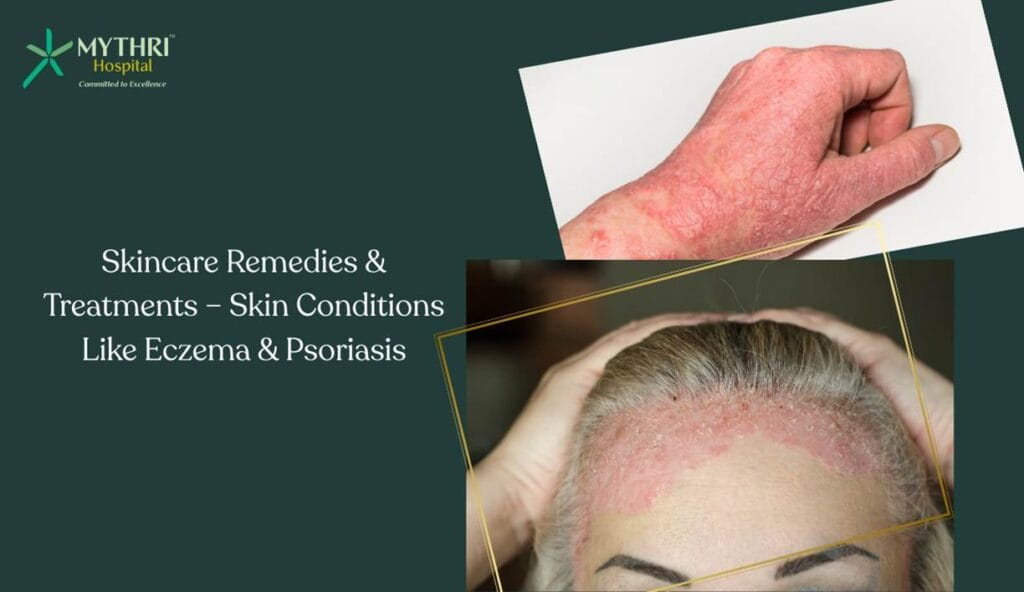
Conditions such as psoriasis and eczema can be chronic in nature and can have an influence on not only the comfort and well-being of an individual but can affect the emotional state of a patient as well. Such ailments are not contagious but can have a major influence on the skin due to which an individual can suffer from itching, redness, and dryness. Although such ailments can neither be cured nor eradicated, they can definitely be controlled.
Understanding Psoriasis
Psoriasis is a chronic skin disease characterized by an overactive immune system. As a result of this immune system hyper activation, skin cells grow at a much faster rate, leading to thick, red, scaly patches found on a majority of patients with this medical condition in their scalp, elbows, knees, and lower back regions.
Common symptoms of this condition include:
- Red and elevated patches of skin
- White or silvery scales
- Dry or cracked skin which might bleed
- Itching or burning sensations
- Thicker nails/nail changes
The symptoms of psoriasis can appear at all ages and in phases such as remissions and relapses.
Eczema Explanation
Atopic Dermatitis is a type of eczema, is a situation that dries, itches, and inflames your skin. Eczema affects many children, but sometimes it persists into adulthood or begins in adulthood. Eczema is most of the time associated with allergies, asthma, or an overly sensitive immune system.
Some common symptoms of eczema include:
- Intense itching
- Dry, rough, or scaly skin
- Red or inflamed patches
- Oozing or crusting in severe cases
- Thickened skin due to excessive scratching
Skin symptoms of eczema can flare up because of various elements such as stress, environmental changes, soap, and food.
Importance of Long-Term Management
Both psoriasis and eczema can be considered chronic ailments because they call for constant treatment and not a short-term course of therapy. In case they are not effectively tackled, they can lead to a flare-up of symptoms, which might further cause skin infections, pain, and a decrease in quality of life.
Drug: Psoriasis & Eczema
Treatment of these skin diseases involves drugs to a large extent.
- Topical therapy is usually a first-line treatment and comprises:
- Moisturizing creams to hydrate your skin
- Steroid creams for decreasing redness and inflammation
- Non-steroidal creams which can soothe an immune response
- For cases that are considered moderate to severe, the following can be prescribed by doctors
- Oral drugs for managing inflammatory reactions
Immunosuppressant in serious cases
Biologic drugs targeting specific immune pathways
Such therapies are effective in lessening flare-ups and improving skin appearance when under medical guidance.
Importance of Phototherapy
Phototherapy/ Light Treatment
Phototherapy or light treatment is a treatment option for both eczema and psoriasis. The treatment entails exposing the affected skin to ultraviolet light in controlled quantities.
Advantages of phototherapy include:
- Reducing excessive skin cell production in psoriasis
- Reducing Inflammations and Itch
- Enhancing Skin Texture & Appearance
Phototherapy is given in a series of sessions and is safe when being conducted under observation by a dermatologist. It is especially indicated in patients in whom creams have not worked very well,
Changing Lifestyle Patterns to Improve Skin Conditions
- Lifestyle modifications have an important role in controlling both psoriasis and eczema.
- Skin care practices:
- Use mild soap and moisturizer
Hot showers can be detrimental to your skin
- Hot showers can strip your skin
- Moisturize your skin frequently, especially after bathing
Diet & hydration:
- Consume a balanced diet with lots of fruits, vegetables, and healthy fats
- Drink lots of water to keep your skin hydrated
- Avoid food triggers, if known
Stress Management:
Stress is a common precipitating factor in both of these conditions. Engaging in yoga, meditation, or relaxation can help alleviate flare-ups.
Refraining from
- Triggers such as food allergies, harsh chemicals, or fibers can be avoided to keep symptoms under control.
- Emotional & Psychological Support
- Having such skin conditions can impact self-confidence and mental health. One common instance where patients can suffer from anxiety, stress, or self-esteem issues is when they have skin conditions. They can consider getting emotional support or consulting a counselor for a better way to deal with their well-being.
Importance of Adopting Frequent Visits
Frequent follow-ups with a dermatologist are a must for effective management. Treatment regimens may have to be altered based on how the skin reacts to treatment. Timely treatment of flare-ups will help prevent any complications and keep symptoms under control.
Conclusion
Eczema can be chronic in nature, but with proper treatment and healthy lifestyle habits, they can be controlled effectively. Effective treatment and guidance from an expert are important in order to have healthy skin.
At Mythri Hospital, patients with chronic skin ailments can undergo effective treatment by expert dermatologists. Mythri Hospital aims to support patients with chronic skin ailments in getting relieved from their sufferings.