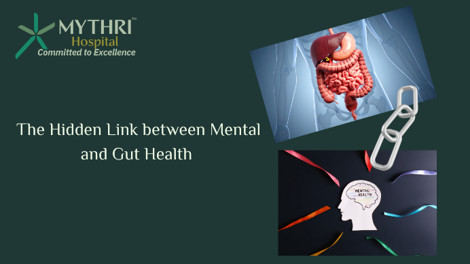
In the past few years, medical gastroenterology has focused a lot on the connection between gut health and mental health. People used to think that emotional health and digestive health were separate, but now they know that they are very connected through a complicated system of communication called the gut-brain axis.
You might have already seen this connection in action if you’ve ever felt “butterflies” in your stomach before a big event or had digestive problems when you were stressed. Let’s talk about how your gut affects your mind and how taking care of it can help you feel better mentally.
What is the Gut-Brain Axis?
The gut-brain axis lets your brain and your digestive system talk to each other. This link has:
- The brain and spinal cord make up the central nervous system.
- The enteric nervous system is the part of the nervous system that controls the stomach and intestines.
- Hormones and neurotransmitters
- The gut microbiome is made up of trillions of bacteria that live in your digestive tract
This system lets your brain and gut talk to each other all the time. This has an effect on everything, from your mood to how well you digest food.
What the Gut Microbiome Does?
The gut microbiome is made up of trillions of tiny organisms that live in your gut. These bacteria are very important for:
- Getting nutrients and digesting food
- Taking control of the immune system
- Making neurotransmitters like serotonin
The gut makes almost all of the serotonin, which is the hormone that makes you feel good. This is why a bad gut can make you feel stressed, anxious, and sad.
How the health of your gut affects your mind?
When the bacteria in the gut aren’t in the right balance, this is called gut dysbiosis. This could hurt your mental health. Here’s how:
1. More stress and worry
If your gut health is bad, inflammation and stopping the production of neurotransmitters can make stress and anxiety worse.
2. Mood Disorders and Depression
There is a strong link between gut dysbiosis and depression, according to research. If you don’t have enough good bacteria, low levels of serotonin can make your mood swing more often.
3. Trouble focusing and brain fog
If your gut isn’t healthy, you might find it hard to focus, remember things, and feel mentally tired.
4. Problems with sleep
Your gut health can affect the hormones that help you sleep. When your body is out of balance, it can be hard to sleep or your sleep may not be very good.
Your gut isn’t healthy if you see these signs
The first step to feeling better is knowing the signs of an unhealthy gut. Be careful of:
- Gas and swelling
- Being constipated or having diarrhea
- Frequent indigestion or acidity
- Food allergies
- Feeling tired
- Being grumpy or moody
A lot of the time, these signs have to do with mental health problems.
Things That Are Bad for Your Gut Health
You can hurt your gut microbiome by eating and doing a lot of things.
- Your diet has too much sugar and processed foods.
- Long-lasting stress
- Not getting enough rest
- Too much use of antibiotics
- Not going out much
You need to take care of these issues to get things back on track.
How to Naturally Make Your Gut Health Better?
You don’t have to make big changes to your gut health to feel better in your mind. Just don’t forget to keep doing what you’re doing that’s good for you.
1. Eat a balanced diet that is high in fiber.
Add:
Fruits and veggies
Whole grains
Beans
Seeds and nuts
Fiber is good for your gut because it feeds the good bacteria that live there.
2. Put in prebiotics and probiotics
Fermented foods like yogurt and kefir are probiotics.
Prebiotics include garlic, onions, and bananas.
These help keep the good and bad bacteria in your gut in a good balance.
3. Handle stress
Long-term stress messes up the connection between the brain and the gut. Give it a try:
Meditation
Yoga
Exercises for deep breathing
4. Keep moving around
Working out regularly is good for your digestion and keeps the gut microbiome healthy and varied.
5. Get a good night’s sleep
Sleep for 7 to 8 hours every night to keep your gut and brain healthy.
6. Drink a lot of water
Drinking enough water is good for your gut health and helps your body break down food.
When to Ask a Professional for Help?
You should see a gastroenterologist if you have digestive problems that won’t go away and you also have anxiety, depression, or fatigue that you can’t explain. If you get diagnosed early, you can avoid problems that last a long time and improve both your gut and mental health.
Conclusion
It is clear that mental health and gut health are closely linked. Your stomach does more than just digest food. It also helps you stay in a good mood, feel good, and stay healthy.
Eating well, managing stress, and making changes to your lifestyle can all help your gut health, which can greatly improve your mental health and quality of life.
Remember that your gut health affects your mental health.