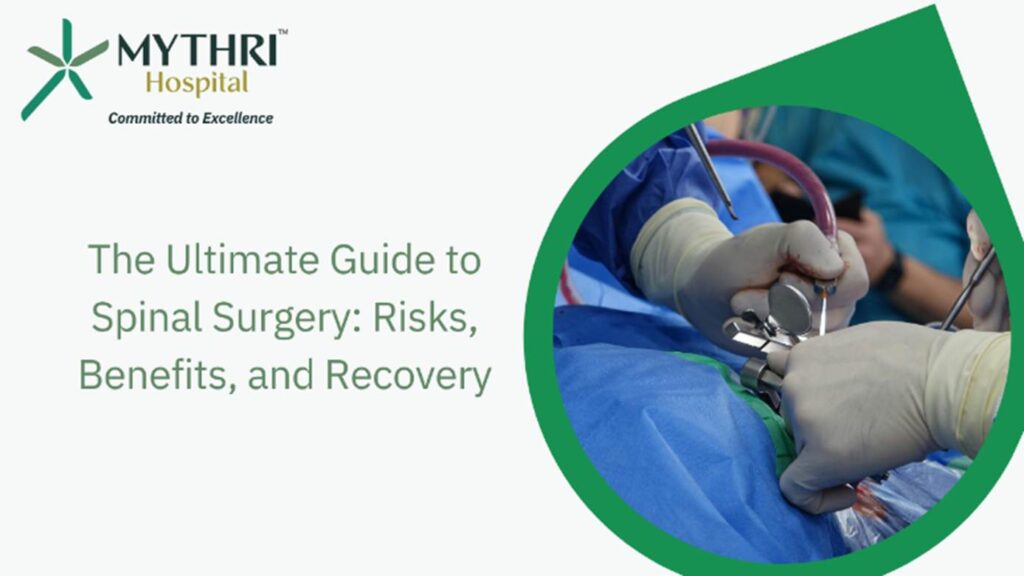
Back and spinal problems are no longer the preserve of the elderly. Many people today suffer from chronic back pain, which can impact their daily life due to long hours at a desk, bad posture or injuries. If your pain doesn’t respond to medications, physical therapy and lifestyle changes, you may be told you need spine surgery.
But it can be scary to think about back bone surgery. Is it safe? What’s the threat? How long will I be in hospital? Let’s not get complicated and keep it straight so you can make an informed decision.
What is Spine Surgery?
Spine surgery is a procedure to treat spine problems caused by nerve compression, structural problems or injury. Alternative if other nonsurgical treatments have not worked
Some conditions may require surgery, for example:
- Herniated Disc / Slipped Disc Spinal Stenosis.
- Degenerative disc illness
- Scoliosis.
- Broken bones, injury to back
These conditions can result in chronic pain, numbness, weakness or decreased mobility.
Options for Spine Surgery.
The procedures vary by condition and doctors may recommend different procedures.
- Discectomy surgery to remove part of a herniated disc pressing on a nerve.
- Laminectomy This procedure entails removing bone or tissue to alleviate pressure on the spinal cord.
- Spinal Fusion: fusing two or more vertebrae together to create a more stable spine
Surgical Procedures: Less invasive, faster recovery.
The type of surgery you will have will depend on what is diagnosed, how severe the condition is and your general health.
Advantages of Spinal Surgery
Surgery is often a last resort but it can be life changing when done for the right indications.
1. Sustained pain relief
The chief advantage is that it relieves chronic pain that has not responded to other treatments.
2. Increased mobility
Many patients can walk, sit, or do activities of daily living without pain.
3. Nerve Decompression Surgery:
Surgery can take pressure off the nerves and help decrease symptoms such as numbness, tingling and weakness.
4. Improved quality of life
When you are in less pain you sleep more you feel steadier emotionally you feel better.
5. Don’t Make Things Worse
Surgery may sometimes stop the progression of a spinal condition and prevent permanent nerve damage.
Back surgery risks
Risks Like any surgery, there are risks associated with spine surgery. Familiarity breeds realistic expectations
1. Contagious
There is a slight risk of infection at the site of surgery but this can usually be treated with antibiotics.
2. Jammed
Blood loss can be a side effect of some procedures, especially complex surgeries.
3. Injury to nerve
Sometimes you might get weakness or numbness from nerve injury, but that is rare.
4. Blood coagulation
If you still have an operation, you’re more likely to develop blood clots in your legs.
5. Partial Relief.
The pain may not go away completely or might come back over time.
6. Additional Operations
Sometimes the problem can come back and need further treatment.
Candidates for surgery of the spine?
What is the general advice for surgery to the spine?
- Months after treatment and still hurting
- “Not good for pressure on nerve.”
- You have weakness, numbness or loss of function
- Has a major effect on daily activities.
- Imaging shows structural problem
Your doctor will assess you and determine if surgery is appropriate for you.
Recovery tips
Your recovery will depend on the type of spine surgery you had as well as your age and general health.
- Immediately post-surgery
- Hospital admission 1-5 days
- Pain or discomfort may be common at first.
- You may be encouraged to get up and move around more to help your circulation.
- The First Fortnight.
- Lack of physical activity
- Don’t lift or bend heavy things.
Take your medicine and treat your wound as instructed.
Rehabilitation stage
- Stretching and strengthening exercises
- A slow return to normality
- Time to man up.
- Minimally invasive surgery: about 2 weeks.
- Complex surgeries take months to complete.
- “The key to recovery is to follow the recovery guidelines.”
How to Get Better Faster?
Follow your physician’s directions carefully.
If conservative management isn’t helping and your quality of life is suffering, then spine surgery may be the next step on the road to recovery.