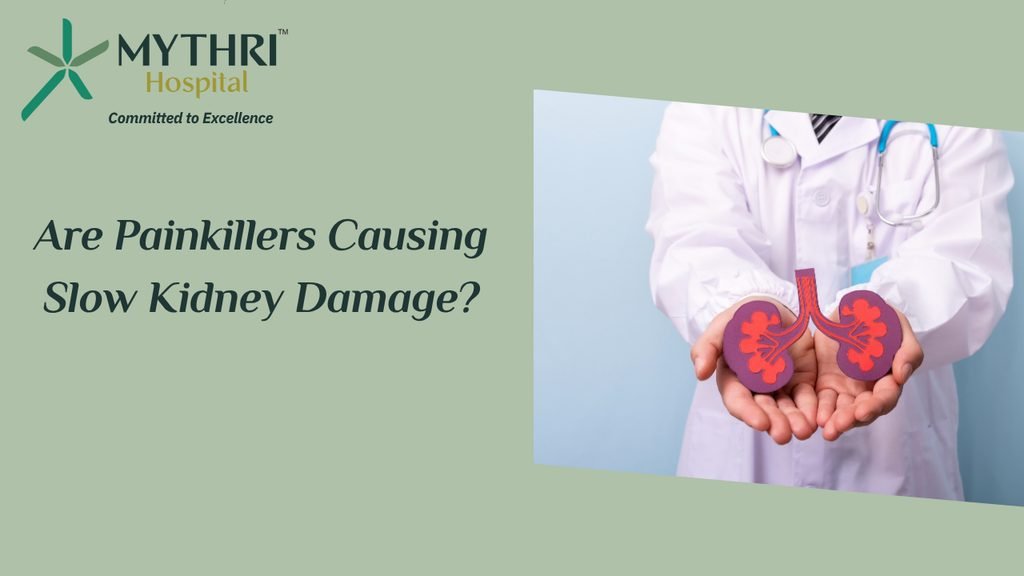
Pain medicines are among the most common medicines in the world. Whether it be headache, backache, joint pain or period cramps, many people don’t think twice before reaching for OTC pain relief tablets. These drugs work very well when taken as prescribed but if you take them too often or over a long period of time, they can have unexpected effects on your kidneys.
So can pain killers slowly kill your kidneys?
The answer is yes– especially if taken regularly, in high doses, or without medical supervision.
## How do the kidneys work?
Your kidneys filter your blood to remove excess fluid and waste products. They also regulate blood pressure, balance electrolytes and produce hormones that help make red blood cells and keep bones strong.
Some medicines, including some pain medicines, may affect how well your kidneys work. Your kidneys filter everything that goes into your blood.
Can Painkillers Cause Kidney Damage? Understanding the Risks
The most common painkillers linked to kidney damage are
Non-Steroidal Anti-Inflammatory Drugs (NSAIDs)
They include medicines commonly used for pain, fever and inflammation.
NSAIDs are safe for most healthy adults when occasional use is as directed. But long-term or heavy use can restrict blood flow to the kidneys, making it harder for them to do their jobs.
It is especially risky when patients are left to self-manage their chronic pain without medical supervision.
How Do Painkillers Harm the Kidney?
NSAIDs work by blocking the production of chemicals called prostaglandins that normally help keep blood flowing to the kidneys. If prostaglandin levels are reduced there may be a reduction in renal blood flow.
This can result over time in:
- Acute Renal Failure
- Chronic kidney disease (CKD)
- Fluid overload
- Hypertension
WHO IS AT HIGHEST RISK?
Painkillers don’t necessarily cause kidney problems. However, people who:
Chronic Kidney Disease.
- Diabetes,
- High Blood Pressure.
- Age > 60 years
- Dehydration
- Heart Disease
Take certain medicines such as diuretics and blood pressure medicines Regularly take painkillers for long-term problems such as arthritis or back pain
If you have kidney disease, you should only take pain medication under a doctor’s care.
When to see you doctor
Kidney damage generally develops slowly and may not cause symptoms include in the early stages.
- Have Swelling of face, ankles, or feet
- Decreased urine output
- Fatigue
- Nausea not resolved
- Loss of Apetite
- Difficulty in Breathing
- Difficult to control High Blood Pressure
## How to Keep Your Kidneys Healthy
The good news is that kidney damage from pain relievers can usually be prevented.
Just follow these simple steps:
- Avoid taking painkillers unless prescribed or in recommended dosages. Never take more than one kind of painkiller at the same time unless your doctor tells you to. Do not take more than the recommended daily allowance.
- Drink plenty of fluids, particularly if you are ill or the weather is hot.
- Tell your doctor about any other medicines or supplements you take.
- If you need pain relief often, talk to your healthcare provider about safer long-term options.
- If you regularly take painkillers or have other medical conditions, keep an eye on your kidney function.
Alternatives?
Depending on the location of your pain, your doctor may suggest other options such as:
- Physiotherapy
- Stretching or strengthening exercises
- Cold or Hot Compresses
- Lifestyle Changes to Lose Weight
- Gels for Topical Pain Relief
- Other drugs that may be easier on your kidneys
Conclusion
Painkillers are very useful for common problems but should not be considered completely harmless. Certain pain medications, especially NSAIDs, can cause kidney damage over time, especially if you have other health problems.
If you take painkillers, do so responsibly. Stay hydrated and talk to a healthcare professional about chronic pain to protect your kidneys in the long term. Your actions today can prevent serious health issues in the future.